A meta-analysis of genome-wide association studies to identify candidate genes associated with feed efficiency traits in pigs
Maria Rita Gonçalves da Silva, Renata Veroneze, Daniele B D Marques, Delvan A da Silva, Inaê I Machado, Luiz F Brito, Paulo S Lopes
Abstract
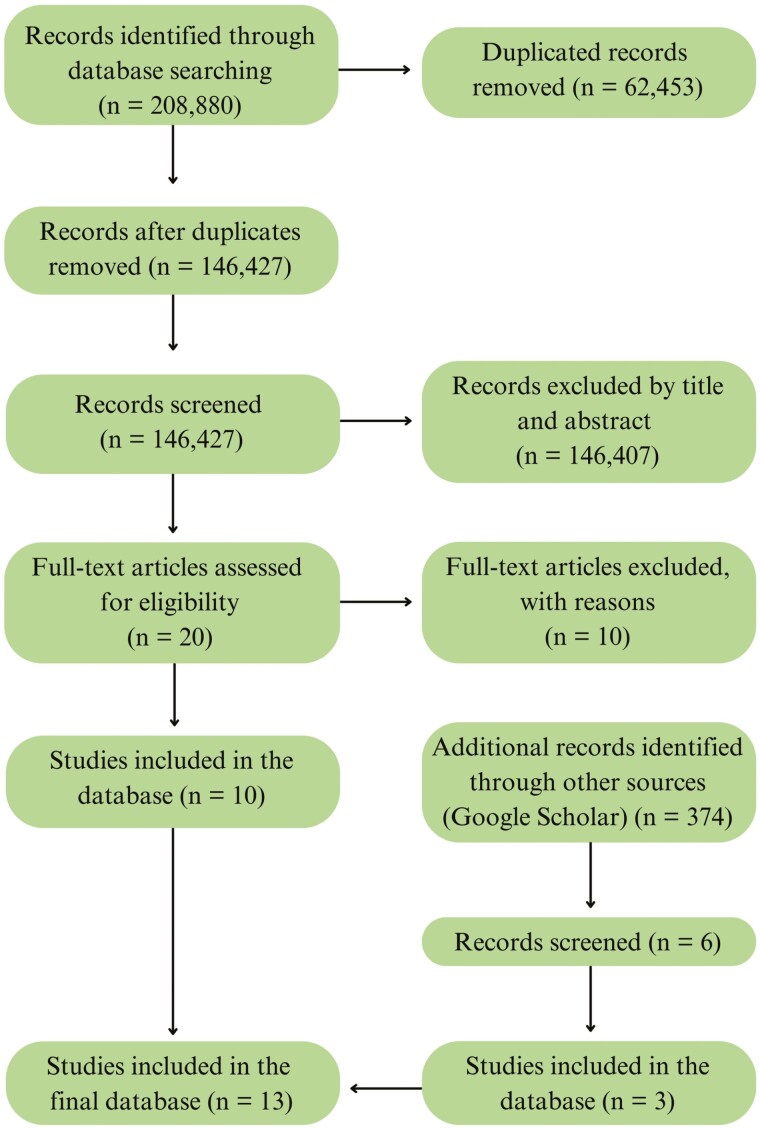
'Delvan A da Silva' 'Inaê I Machado' 'Luiz F Brito' 'Paulo S Lopes'] Title: Abstract Pig production is an agricultural sector of great economic and social relevance to Brazil and global markets. Feed efficiency traits directly influence the sustainability of pig production due to the economic impact of feed costs on the production system and the environmental footprint of the industry. Therefore, breeding for improved feed efficiency has been a target of worldwide pig breeding programs. Genome-wide association studies (GWAS) enable the assessment of the genetic background of complex traits, which contributes to a better understanding of the biological mechanisms regulating their phenotypic expression. In this context, the primary objective of this study was to identify and validate genomic regions and candidate genes associated with feed conversion ratio (FCR) and residual feed intake (RFI) in pigs based on a comprehensive systematic review and meta-analysis of GWAS. The METAL software was used to implement the meta-analysis and the Bonferroni multiple testing correction considering a significance threshold 0.05. The significant single nucleotide polymorphisms (SNPs) in the meta-analysis were used to identify candidate genes, followed by a functional genomic enrichment analysis. The systematic review identified 13 studies, of which 7 evaluated FCR, 3 evaluated RFI, and 3 studies investigated both traits, with 160 and 96 SNPs identified for FCR and RFI, respectively. After the meta-analysis, 145 markers were significantly associated with FCR and 90 with RFI. The gene annotation process resulted in 105 and 114 genes for FCR and RFI, respectively. The enrichment analysis for FCR resulted in 16 significant gene ontology (GO) terms, while 6 terms were identified for RFI. The main GO terms were actin cytoskeleton (GO_BP:0030036), membrane (GO_CC:0016020), integral components of the peroxisomal membrane (GO_CC:0005779), and carbohydrate-binding (GO_MF:0030246). The main candidate genes identified were MED18, PHACTR4, ABCC2, TRHDE, FRS2, FAR2 and FIS1 for FCR, and ADGRL2, ASGR1, ASGR2, and MAN2B1 for RFI.
§ The Valyu brief
Reading the full paper and taking notes. This takes a few seconds…
§ Ask this paper
Ask a question about this paper
Valyu reads the full text and answers from what the paper actually says.
Searching the other archives…