Splicing Programs and Cancer
Sophie Germann, Lise Gratadou, Martin Dutertre, Didier Auboeuf
Abstract
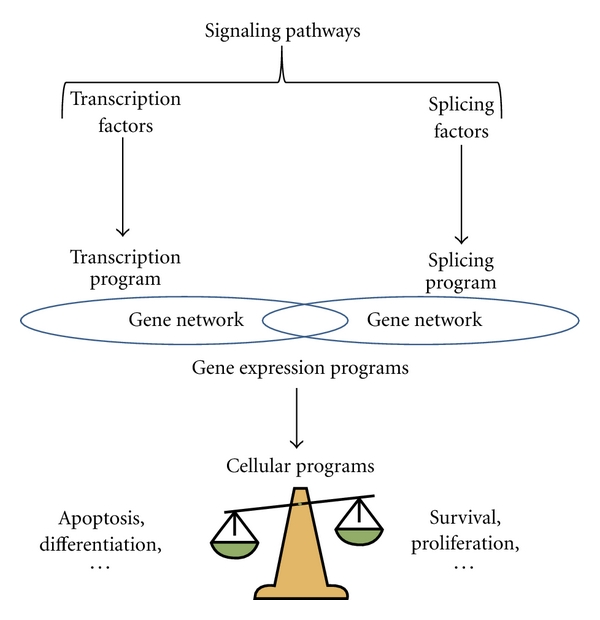
Numerous studies report splicing alterations in a multitude of cancers by using gene-by-gene analysis. However, understanding of the role of alternative splicing in cancer is now reaching a new level, thanks to the use of novel technologies allowing the analysis of splicing at a large-scale level. Genome-wide analyses of alternative splicing indicate that splicing alterations can affect the products of gene networks involved in key cellular programs. In addition, many splicing variants identified as being misregulated in cancer are expressed in normal tissues. These observations suggest that splicing programs contribute to specific cellular programs that are altered during cancer initiation and progression. Supporting this model, recent studies have identified splicing factors controlling cancer-associated splicing programs. The characterization of splicing programs and their regulation by splicing factors will allow a better understanding of the genetic mechanisms involved in cancer initiation and progression and the development of new therapeutic targets.
§ The Valyu brief
Reading the full paper and taking notes. This takes a few seconds…
§ Ask this paper
Ask a question about this paper
Valyu reads the full text and answers from what the paper actually says.
Searching the other archives…