Poor methodological detail precludes experimental repeatability and hampers synthesis in ecology N. R. Haddaway & J. T. A. Verhoeven
Neal R. Haddaway, Jos T.A. Verhoeven
Abstract
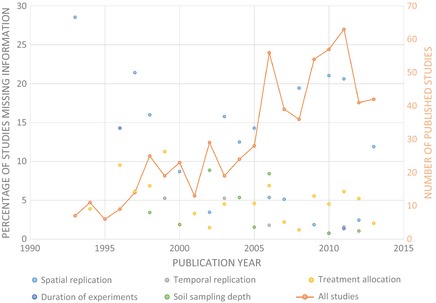
Despite the scientific method's central tenets of reproducibility (the ability to obtain similar results when repeated) and repeatability (the ability to replicate an experiment based on methods described), published ecological research continues to fail to provide sufficient methodological detail to allow either repeatability of verification. Recent systematic reviews highlight the problem, with one example demonstrating that an average of 13% of studies per year (±8.0 [SD]) failed to report sample sizes. The problem affects the ability to verify the accuracy of any analysis, to repeat methods used, and to assimilate the study findings into powerful and useful meta-analyses. The problem is common in a variety of ecological topics examined to date, and despite previous calls for improved reporting and metadata archiving, which could indirectly alleviate the problem, there is no indication of an improvement in reporting standards over time. Here, we call on authors, editors, and peer reviewers to consider repeatability as a top priority when evaluating research manuscripts, bearing in mind that legacy and integration into the evidence base can drastically improve the impact of individual research reports.
§ The Valyu brief
Reading the full paper and taking notes. This takes a few seconds…
§ Ask this paper
Ask a question about this paper
Valyu reads the full text and answers from what the paper actually says.
Searching the other archives…