Recent Advances in Development and Application of Physiologically-Based Pharmacokinetic (PBPK) Models: a Transition from Academic Curiosity to Regulatory Acceptance
Masoud Jamei
Abstract
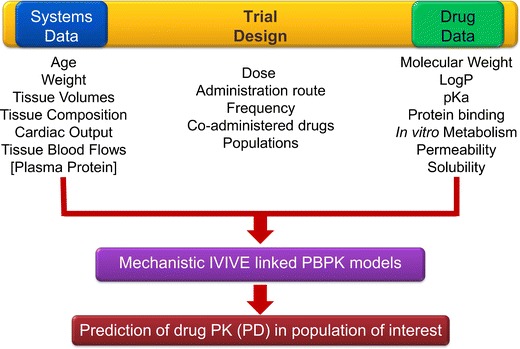
There is a renewed surge of interest in applications of physiologically-based pharmacokinetic (PBPK) models by the pharmaceutical industry and regulatory agencies. Developing PBPK models within a systems pharmacology context allows separation of the parameters pertaining to the animal or human body (the system) from that of the drug and the study design which is essential to develop generic drug-independent models used to extrapolate PK/PD properties in various healthy and patient populations. This has expanded the classical paradigm to a ‘predict-learn-confirm-apply’ concept. Recently, a number of drug labels are informed by simulation results generated using PBPK models. These cases show that either the simulations are used in lieu of conducting clinical studies or have informed the drug label that otherwise would have been silent in some specific situations. It will not be surprising to see applications of these models in implementing precision dosing at the point of care in the near future.
§ The Valyu brief
Reading the full paper and taking notes. This takes a few seconds…
§ Ask this paper
Ask a question about this paper
Valyu reads the full text and answers from what the paper actually says.
Searching the other archives…