PPubMed18 Nov 2016
Analyses of density-dependent effects are needed to understand how and when <i> Wolbachia </i> can control dengue vectors
Robert A. Cheke
Abstract
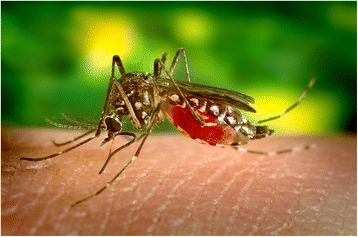
Releases of Wolbachia-infected mosquitoes have been shown to be an effective method of controlling Aedes aegypti, the main vector of dengue fever, in Australia. A study in BMC Biology from Penelope Hancock and others shows that incorporation of density-dependent effects into population models can provide major improvements in understanding how and when the infected populations can become established. See research article: [https://bmcbiol.biomedcentral.com/articles/10.1186/s12915-016-0319-5]().
§ The Valyu brief
Reading the full paper and taking notes. This takes a few seconds…
§ Ask this paper
Ask a question about this paper
Valyu reads the full text and answers from what the paper actually says.
Searching the other archives…