Sequential effects in preference decision: Prior preference assimilates current preference Sequential effects in preference decision
Seah Chang, Chai-Youn Kim, Yang Seok Cho, Linda Chao
Abstract
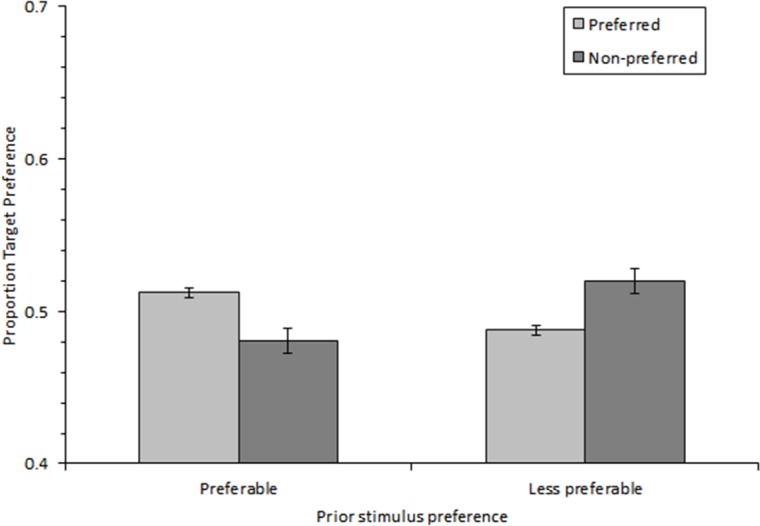
An important factor affecting preference formation is the context in which that preference decision takes place. The current research examined whether one’s preference formed for a previously presented stimulus influences the processing of a subsequent preference decision, henceforth referred to as the preference sequence effect. Using a novel sequential rating/judgment paradigm, the present study demonstrated the presence of a preference sequence effect using artistic photographs and face stimuli: A neutral stimulus was preferred more following a preferable stimulus than a less preferable stimulus. Furthermore, a similar trend was found even when the potential influence of response bias was controlled. These results suggest that an assimilative sequential effect exists even when sequential judgments are made solely based on one’s subjective feeling; preference formed for a preceding stimulus modulates preference for a subsequent stimulus. This implies the need for a consideration of trial sequence as a factor creating a psychological context affecting the subsequent preference decisions.
§ The Valyu brief
Reading the full paper and taking notes. This takes a few seconds…
§ Ask this paper
Ask a question about this paper
Valyu reads the full text and answers from what the paper actually says.
Searching the other archives…