Pan-Cancer Analysis Reveals Distinct Metabolic Reprogramming in Different Epithelial–Mesenchymal Transition Activity States
Ji-Yong Sung, Jae-Ho Cheong, Maria Rossing, Valtteri Wirta
Abstract
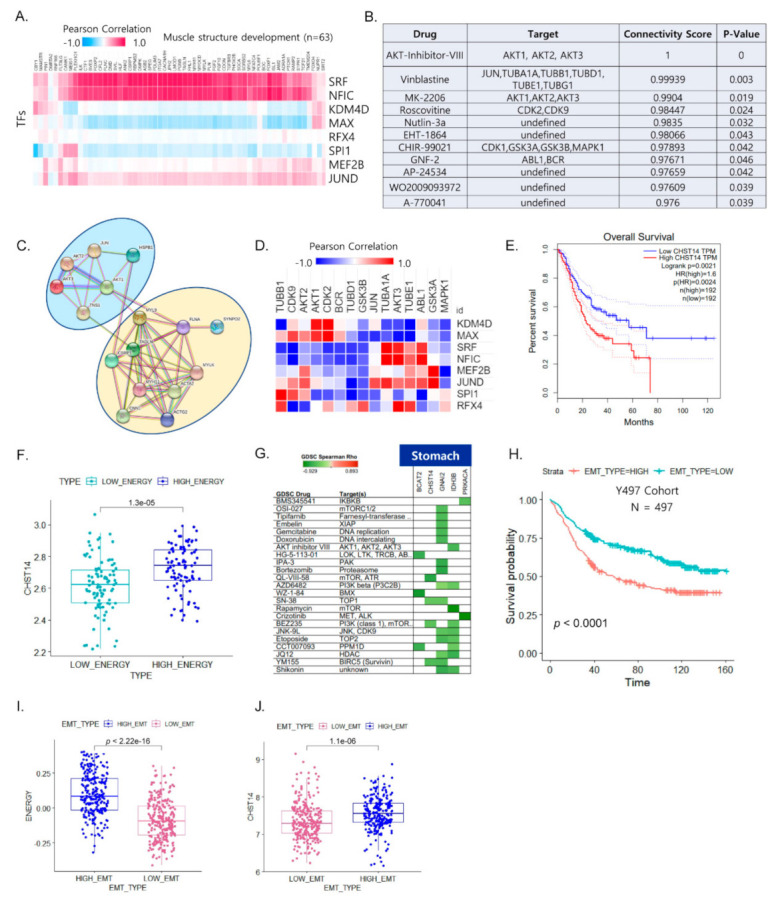
Simple Summary Recent genomic classification of tumors has stated that clinically refractory cancers aggregate as a distinct molecular subtype associated with epithelial-mesenchymal transition (EMT). EMT subtype tumors are clinically intractable due to shared malignant characteristics such as poor prognosis and metastasis and are resistant to chemotherapy and immune checkpoint blockades. Therefore, there is an urgent clinical need for the identification of potential therapeutic targets for this tumor subtype. Here, we profiled the metabolic signatures of 9452 samples across 31 cancer types based on EMT activity and identified that ~80 to 90% of cancer types had high carbohydrate and energy metabolism associated with the high EMT state. Furthermore, we identified CHST14 as a potential metabolic target for the EMT subtype for stomach cancer associated with reprogramming of energy metabolism. Our analyses identified metabolic reprogramming associated with EMT, suggesting metabolism-associated targets for clinically refractory cancer subtypes. Abstract Epithelial-mesenchymal transition (EMT) is critical for cancer development, invasion, and metastasis. Its activity influences metabolic reprogramming, tumor aggressiveness, and patient survival. Abnormal tumor metabolism has been identified as a cancer hallmark and is considered a potential therapeutic target. We profiled distinct metabolic signatures by EMT activity using data from 9452 transcriptomes across 31 different cancer types from The Cancer Genome Atlas. Our results demonstrated that ~80 to 90% of cancer types had high carbohydrate and energy metabolism, which were associated with the high EMT group. Notably, among the distinct EMT activities, metabolic reprogramming in different immune microenvironments was correlated with patient prognosis. Nine cancer types showed a significant difference in survival with the presence of high EMT activity. Stomach cancer showed elevated energy metabolism and was associated with an unfavorable prognosis (p < 0.0068) coupled with high expression of CHST14, indicating that it may serve as a potential drug target.
§ The Valyu brief
Reading the full paper and taking notes. This takes a few seconds…
§ Ask this paper
Ask a question about this paper
Valyu reads the full text and answers from what the paper actually says.
Searching the other archives…