Prehabilitation to Improve Outcomes of Patients with Gynaecological Cancer: A New Window of Opportunity?
Joëlle Dhanis, Nathaniel Keidan, Dominic Blake, Stuart Rundle, Dieuwke Strijker, Maaike van Ham, Johanna M. A. Pijnenborg, Anke Smits, Saverio Caini
Abstract
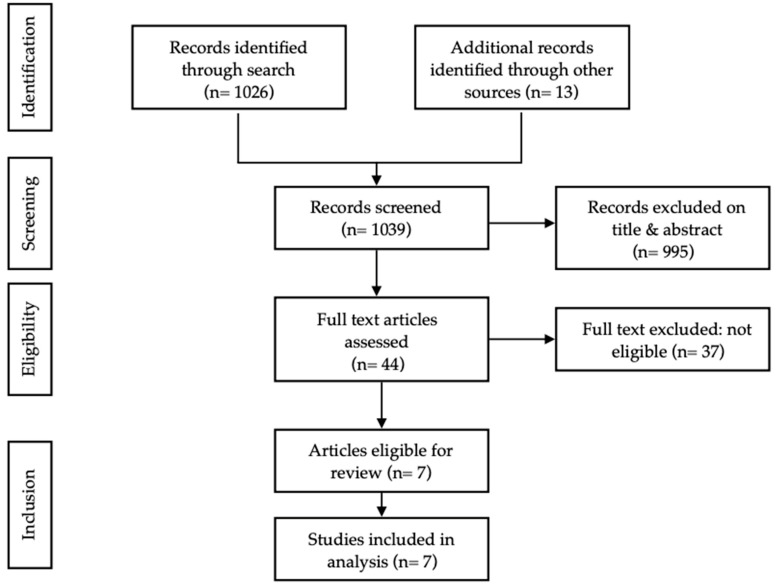
'Dieuwke Strijker' 'Maaike van Ham' 'Johanna M. A. Pijnenborg' 'Anke Smits' 'Saverio Caini'] Simple Summary Surgery is an important mainstay in the treatment of gynaecological cancers but is associated with operative complications, especially for those with poor physical and mental health. Prehabilitation is a new and upcoming strategy to optimise patients’ functional capacity, nutritional status and psychosocial wellbeing in order to reduce complications and enhance recovery. In this review, we assessed the evidence on prehabilitation programmes for patients with gynaecological cancer. The limited evidence shows that prehabilitation may reduce length of hospital stay for ovarian cancer patients, and may result in significant weight loss in patients with endometrial and cervical cancer. Comparative prospective studies are required to determine the effectiveness of prehabilitation on reducing operative complications and improving quality of life, and to further specify the content of such a programme for patients with gynaecological cancer. Abstract The literature evaluating the effect of prehabilitation programmes on postoperative outcomes and quality of life of patients with gynaecological cancer undergoing surgery was reviewed. Databases including Pubmed, Medline, EMBASE (Ovid) and PsycINFO were systematically searched to identify studies evaluating the effect of prehabilitation programmes on patients with gynaecological cancer. Both unimodal and multimodal prehabilitation programmes were included encompassing physical exercise and nutritional and psychological support. Primary outcomes were surgical complications and quality of life. Secondary outcomes were anthropometric changes and adherence to the prehabilitation programme. Seven studies fulfilled the inclusion criteria, comprising 580 patients. Included studies were nonrandomised prospective studies (n = 4), retrospective studies (n = 2) and one case report. Unimodal programmes and multimodal programmes were included. In patients with ovarian cancer, multimodal prehabilitation resulted in significantly reduced hospital stay and time to chemotherapy.
§ The Valyu brief
Reading the full paper and taking notes. This takes a few seconds…
§ Ask this paper
Ask a question about this paper
Valyu reads the full text and answers from what the paper actually says.
Searching the other archives…