Bioactive components, pharmacological effects, and drug development of traditional herbal medicine <i> Rubus chingii </i> Hu (Fu-Pen-Zi)
Beihui He, Linghao Dai, Li Jin, Yuan Liu, Xiaojuan Li, Minmin Luo, Zhian Wang, Guoyin Kai
Abstract
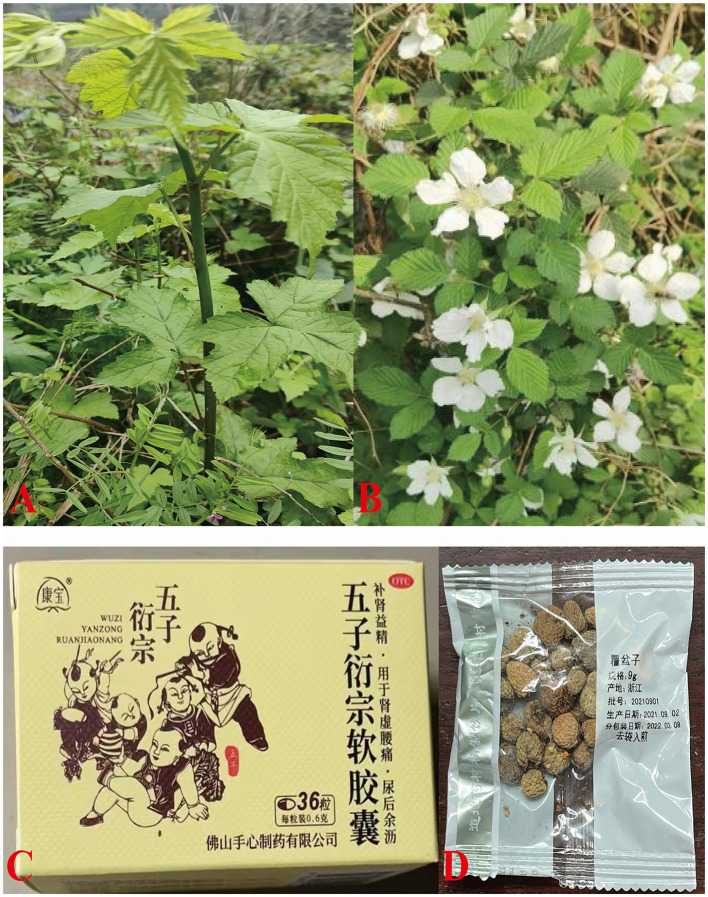
'Zhian Wang' 'Guoyin Kai'] Rubus chingii Hu (Chinese Raspberry), known as Fu-Pen-Zi in Chinese, a woody perennial plant of the genus Rubus in the Rosaceae family, has specific nutritional and medicinal values, which is considered food-medicine herb in China for thousands of years to treat impotence, premature ejaculation, enuresis, frequent urination, and other diseases. This review aims to summarize recent advances in the bioactive components, pharmacological effects, and drug development and utilization of Rubus chingii Hu, hoping to provide useful support for its further research and clinical application. The bioactive components in Rubus chingii Hu contain mainly terpenoids, flavonoids, alkaloids, phenolic acids, polysaccharides, and steroids. The main pharmacological effects are their anti-oxidant, anti-inflammatory, and anti-tumor capacity on human health. Rubus chingii Hu is a very valuable food-medicine herb. The development of Rubus chingii Hu-related drugs is relatively single, which is limited to traditional Chinese medicine and prescriptions. Therefore, it is vital to pay interest to Rubus chingii Hu and its bioactive components in the future and extend its scientific application.
§ The Valyu brief
Reading the full paper and taking notes. This takes a few seconds…
§ Ask this paper
Ask a question about this paper
Valyu reads the full text and answers from what the paper actually says.
Searching the other archives…