Novel digital methods for gathering intensive time series data in mental health research: scoping review of a rapidly evolving field
Anita Schick, Christian Rauschenberg, Leonie Ader, Maud Daemen, Lena M. Wieland, Isabell Paetzold, Mary Rose Postma, Julia C. C. Schulte-Strathaus, Ulrich Reininghaus
Abstract
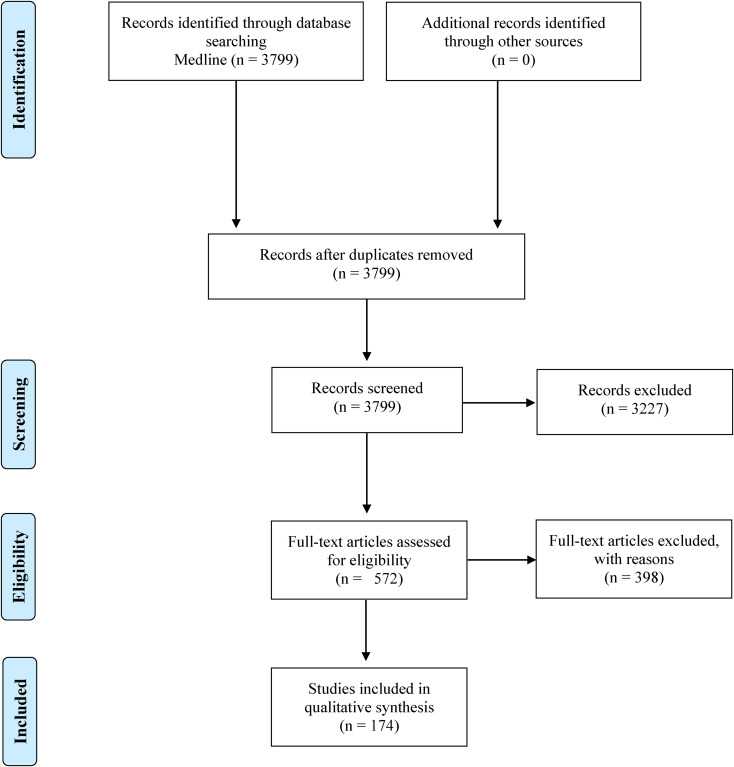
Recent technological advances enable the collection of intensive longitudinal data. This scoping review aimed to provide an overview of methods for collecting intensive time series data in mental health research as well as basic principles, current applications, target constructs, and statistical methods for this type of data. In January 2021, the database MEDLINE was searched. Original articles were identified that (1) used active or passive data collection methods to gather intensive longitudinal data in daily life, (2) had a minimum sample size of N ⩾ 100 participants, and (3) included individuals with subclinical or clinical mental health problems. In total, 3799 original articles were identified, of which 174 met inclusion criteria. The most widely used methods were diary techniques (e.g. Experience Sampling Methodology), various types of sensors (e.g. accelerometer), and app usage data. Target constructs included affect, various symptom domains, cognitive processes, sleep, dysfunctional behaviour, physical activity, and social media use. There was strong evidence on feasibility of, and high compliance with, active and passive data collection methods in diverse clinical settings and groups. Study designs, sampling schedules, and measures varied considerably across studies, limiting the generalisability of findings. Gathering intensive longitudinal data has significant potential to advance mental health research. However, more methodological research is required to establish and meet critical quality standards in this rapidly evolving field. Advanced approaches such as digital phenotyping, ecological momentary interventions, and machine-learning methods will be required to efficiently use intensive longitudinal data and deliver personalised digital interventions and services for improving public mental health.
§ The Valyu brief
Reading the full paper and taking notes. This takes a few seconds…
§ Ask this paper
Ask a question about this paper
Valyu reads the full text and answers from what the paper actually says.
Searching the other archives…